
Exploring the Artistry of Food: When Creativity Meets Cuisine
- Mariana Ascoli
- Sep 6, 2025
- 3 min read
Food is more than just sustenance. It is a canvas for creativity, a medium for expression, and a source of sensory delight. The artistry of food combines the science of cooking with the aesthetics of presentation, transforming everyday ingredients into edible masterpieces. This exploration delves into how culinary artistry and food come together to create experiences that engage all the senses.
The Essence of Culinary Artistry and Food
Culinary artistry is the skillful practice of preparing and presenting food in ways that are visually stunning and delicious. It involves a deep understanding of ingredients, techniques, and cultural influences. Chefs and food artists use colors, textures, shapes, and flavors to craft dishes that tell a story or evoke emotions.
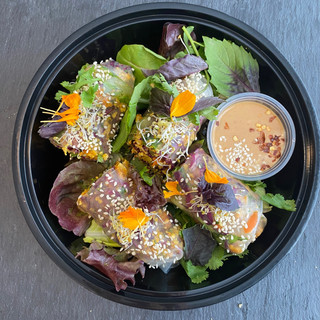
For example, a beautifully plated dish might feature vibrant vegetables arranged like a painting, or a dessert might be sculpted to resemble a natural element like a flower or a wave. The goal is to create a memorable experience that goes beyond taste alone.
Key elements of culinary artistry include:
Creativity: Experimenting with new combinations and presentations.
Precision: Mastering cooking techniques and timing.
Balance: Harmonizing flavors, colors, and textures.
Storytelling: Conveying a theme or cultural heritage through food.
By focusing on these elements, culinary artists elevate food from mere nourishment to an art form.
Techniques That Bring Culinary Artistry and Food to Life
The fusion of culinary artistry and food relies on various techniques that enhance both flavor and appearance. Some of the most popular methods include:
Molecular Gastronomy: Using scientific principles to transform ingredients, such as turning liquids into spheres or foams.
Plating Design: Arranging food on the plate to create visual appeal, often using asymmetry, negative space, and contrasting colors.
Edible Art: Crafting food items into shapes or sculptures, like sugar art or chocolate molding.
Fusion Cuisine: Blending culinary traditions from different cultures to create innovative dishes.
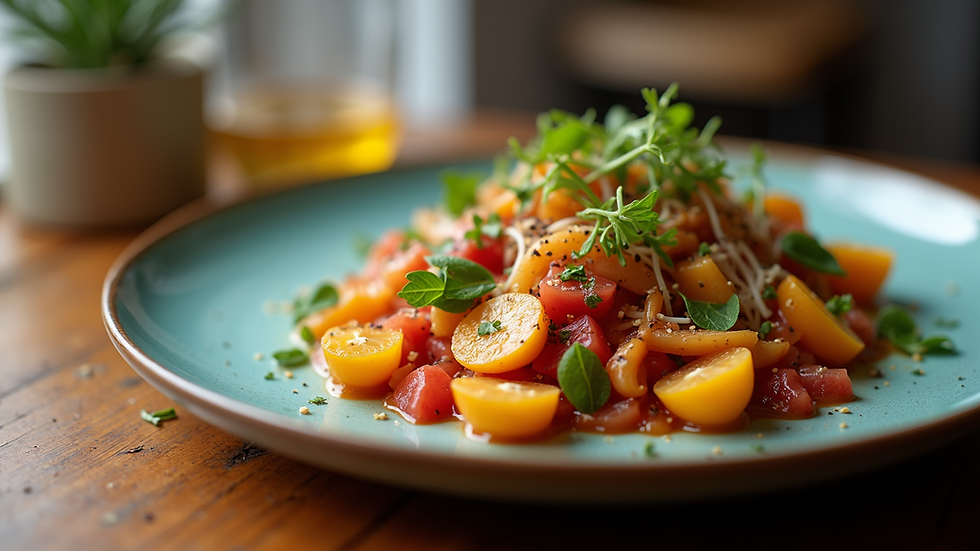
For instance, a chef might use molecular gastronomy to create a burst of flavor encapsulated in a tiny sphere, adding an element of surprise to the dining experience. Meanwhile, plating design can turn a simple salad into a vibrant mosaic of colors and textures.
These techniques require both technical skill and artistic vision, making the kitchen a studio where food becomes art.

What is the connection between food and art?
Food and art share a profound connection rooted in creativity and sensory engagement. Both are forms of expression that communicate ideas, emotions, and culture. The connection can be understood through several perspectives:
Visual Appeal: Just as painters use color and composition, chefs use ingredients and plating to create visually stunning works.
Sensory Experience: Art engages sight, sound, and touch, while food engages taste, smell, and texture, creating a multisensory experience.
Cultural Reflection: Both art and food reflect cultural identity, history, and values.
Emotional Impact: A piece of art or a well-crafted dish can evoke memories, joy, or contemplation.
This connection is why food festivals, exhibitions, and culinary competitions often emphasize presentation and creativity alongside taste. The artistry of food invites people to appreciate meals as they would a painting or sculpture.

Practical Tips for Embracing Culinary Artistry at Home
You don't need to be a professional chef to enjoy the artistry of food. Here are some practical ways to bring creativity into your kitchen:
Experiment with Colors: Use a variety of fruits, vegetables, and herbs to add vibrant colors to your dishes.
Play with Textures: Combine crunchy, creamy, and chewy elements for a more interesting mouthfeel.
Focus on Presentation: Use simple plating techniques like stacking, layering, or arranging food in patterns.
Use Fresh Ingredients: Freshness enhances both flavor and appearance.
Incorporate Edible Garnishes: Flowers, microgreens, and spices can add beauty and flavor.
For example, try making a salad with colorful heirloom tomatoes, fresh basil leaves, and a drizzle of balsamic glaze arranged neatly on a white plate. Small touches like these can transform a meal into an artistic experience.
The Future of Culinary Artistry and Food
As technology and creativity continue to evolve, the future of culinary artistry and food looks exciting. Innovations such as 3D food printing, augmented reality dining experiences, and sustainable cooking practices are shaping new ways to appreciate food as art.
Moreover, the growing interest in food as a cultural and artistic expression encourages chefs and food lovers to push boundaries. Platforms like when art meets food showcase how creativity and cuisine intersect, inspiring people worldwide.
Whether through avant-garde techniques or traditional craftsmanship, the artistry of food will continue to captivate and delight.
Exploring the artistry of food reveals a world where creativity and cuisine blend seamlessly. By appreciating the visual, sensory, and cultural dimensions of food, we can transform everyday meals into extraordinary experiences. Embracing culinary artistry enriches not only our plates but also our lives.


Comments